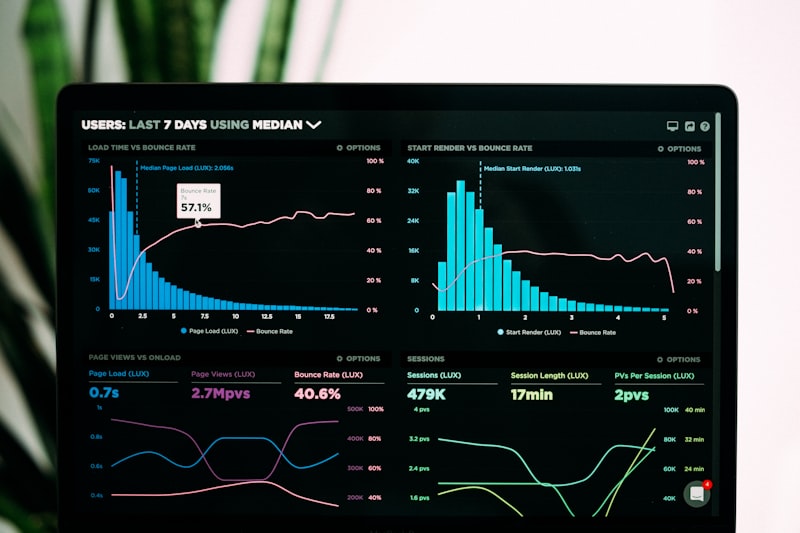

Using EDI Data for Supply Chain Analytics and Forecasting
Most suppliers think of EDI as a compliance obligation — documents to send and receive to avoid chargebacks. But the data flowing through your EDI connections is one of the most detailed records of your retail demand available, and it’s already sitting in your transaction history. The question isn’t whether you have the data — it’s whether you’re using it to make decisions differently than you would without it.
What’s in Your EDI Data
Every EDI transaction contains structured business data that, accumulated over months and years, tells a detailed story:
- 850s: When retailers order, how much, which items, from which locations — a direct record of demand signal
- 855s: Your confirmation patterns and any changes you flagged — a record of your fulfillment reliability
- 856s: Actual shipment quantities, timing, and routing — what really shipped, when
- 810s: Invoice history and pricing — what was billed, at what price, and whether it reconciled
- 997s: Transaction timing and acknowledgment patterns — the health of your EDI connections
Demand Forecasting: Adjusting Inventory Before the Order Pattern Shifts
Historical EDI 850 data lets you identify seasonal demand patterns by retailer and category — but the value isn’t in knowing the pattern, it’s in acting on it. Here’s the concrete decision: if your 850 history shows that a particular retailer’s orders for a product category consistently increase 40% starting in October, you can pre-build inventory in August and September to meet that demand — instead of reacting to the first October PO and discovering your lead time won’t let you catch up. Without the data, you’re forecasting from memory or gut feel; with it, you’re forecasting from a documented order pattern that tells you exactly when to start building stock.
The same data lets you identify retailers who are growing or reducing their orders — a retailer whose 850 frequency has increased 20% over the last two quarters is an account you should be investing in, possibly offering new products or expanded assortment. A retailer whose order volume is declining may be a churn signal — an account that needs attention before the relationship deteriorates further. These are decisions you make differently because the data shows you the trend before it becomes obvious in your revenue numbers.
On-Time-In-Full (OTIF): Fixing Compliance Before It Becomes Chargebacks
OTIF is one of the most important supplier metrics at major retailers, and your EDI data reveals your OTIF performance before the retailer’s scorecard does. The gap between the PO’s requested ship date and your actual ASN transmission date is your OTIF performance — if that gap is growing for a specific retailer, you’re trending toward late shipments and the chargebacks that follow.
Here’s the concrete decision: if your OTIF analysis shows that your ASN-to-ship-date gap is widening for Walmart orders specifically — maybe your warehouse is consistently shipping 2 days after the requested ship date for Walmart POs — you can investigate and fix the root cause (a picking bottleneck, a 3PL handoff delay, an inventory allocation issue) before Walmart’s scorecard reflects it and before the chargebacks compound. Without the analysis, the first signal you get is the chargeback on your remittance advice — after the damage is done. With it, you catch the trend weeks earlier and fix it proactively.
Retailer Velocity Reporting: Where to Allocate Resources
By analyzing 850 frequency and quantity trends by retailer, you can identify which accounts are growing, which are declining, and which product categories are performing best by channel. The decision this drives: where to allocate your sales and operational resources. A retailer whose velocity is increasing deserves more attention from your account team — new product presentations, promotional support, operational priority. A retailer whose velocity is declining needs a different conversation — what’s driving the decrease, is it a category issue or a relationship issue, and is the account worth retaining.
Without velocity data, you’re allocating resources based on last year’s revenue or instinct. With it, you’re allocating based on current trajectory — which is a fundamentally better basis for deciding where your team’s time goes.
Building the Analytics Foundation
The prerequisite for all of this is clean, complete EDI data — transaction history that’s retained, accessible, and structured for analysis. If your EDI provider doesn’t retain transaction history in a queryable format, you have the data but can’t use it. Spring Systems’ PortalApp provides transaction history exports and reporting that give suppliers the raw material for this analysis — but the analysis itself is where the value lives. The data tells you what’s happening; the decisions you make because of it are what change your business.
Need Help with EDI Compliance?
Our team has been helping suppliers navigate retailer requirements since 2002. Whether you're onboarding with a new retailer, fighting chargebacks, or looking to automate your EDI process — we can help.
Spring Systems EDI Team
EDI & Retail Compliance Experts Since 2002



Have Questions About EDI?
Our team is available by phone and email to help with any compliance challenge.